Step 1 - Theme Options

To begin customizing your site go to Appearance -> Customizer and select Theme Options. Here's you'll find custom options to help build your site.

Step 2 - Setup Slider

To add a slider go to Theme Options -> Homepage and choose page slider. The slider will use the page title, excerpt and featured image for the slides.

Step 3 - Create Homepage

To add featured content go to Theme Options -> Homepage (Featured) and turn the switch on then add the content you want for each section.

Essential Reasons to Choose a Pest Control Company Davie FL for Regular Termite Inspections

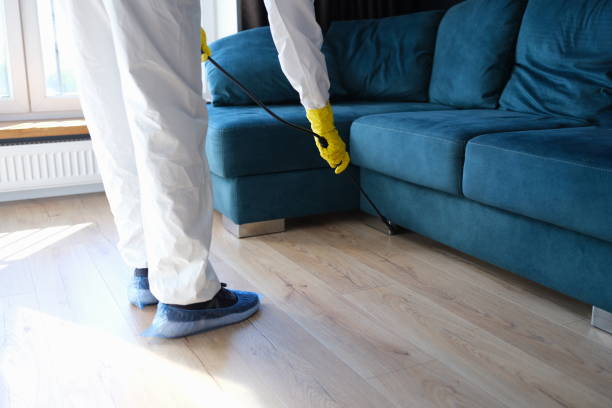
Closeup shot of an unrecognisable man in a hazmat suit using a chemical sprayer to sanitise a house stock photo

Termites are often referred to as “silent destroyers” due to their ability to cause extensive damage to your home without immediate detection. Regular termite inspections are a critical part of home maintenance, as they help identify potential infestations early and mitigate costly structural repairs. Here’s why prioritizing termite inspections is essential for homeowners.

Preventing Costly Structural Damage

Termites feed on wood and other cellulose-based materials, including the wooden framework, flooring, and walls of your home. Over time, this can compromise the structural integrity of your property. A routine inspection ensures early detection, helping you address any infestations before significant damage occurs.

Key areas at risk include: – Wooden beams – Floorboards – Window and door frames – Attic structures

The earlier termites are identified, the easier it becomes to minimize repair costs and protect the value of your property.

Protecting Long-Term Property Value

Unchecked termite damage can lead to significant devaluation of your property. Prospective buyers typically conduct pest inspections before purchasing a home; discovering past or present termite activity can reduce your home’s appeal or lead to price negotiations. By scheduling regular inspections and maintaining records of professional treatments or preventative care, you enhance your home’s marketability.

Health Implications for Residents

While termites themselves do not pose direct health risks to humans, their presence can create conditions that attract other pests or promote mold growth in dampened wood. Mold exposure may trigger respiratory issues such as asthma or allergies. Routine inspections remove this risk by identifying problem areas that may require both pest control and moisture remediation.

How Often Should Inspections Be Conducted?

The frequency of termite inspections depends on factors like geographic location, construction type, and previous pest history.

Inspection Frequency Recommended For
Annually All homes (regardless of history)
Biannually Homes in high-risk areas prone to termites
After renovations Properties undergoing structural changes

Scheduling annual or biannual inspections ensures any new infestations are caught early while also providing homeowners peace of mind.

Benefits of Professional Termite Inspections

Professional inspectors bring expertise that goes beyond what most homeowners can manage on their own. With specialized tools like moisture meters, thermal imaging devices, and borescopes, professionals can detect hidden colonies even in hard-to-reach areas such as crawlspaces or behind walls.

Key advantages include: – Accurate identification of termite species (e. g. , subterranean vs drywood termites) – Detection of conducive conditions (e. g.

Proactive Steps Homeowners Can Take Between Inspections

  • Eliminate wood-to-soil contact:Use concrete risers for wooden structures outdoors.
  • Reduce moisture levels:Fix leaks promptly and ensure proper drainage around your foundation.
  • Store firewood away from the house:Keep stacks elevated and at least 20 feet from exterior walls.
  • Seal gaps in foundations:Close cracks in walls or foundations where pests might enter.

By combining professional services with diligent homeowner maintenance efforts, you safeguard both your home’s structure and its long-term value against potential termite threats.

Ultimate Guide to Davie FL Pest Control and Termite Inspection Services for Homeowners

Termites pose a significant threat to homes, causing billions of dollars in damages each year. A comprehensive termite inspection is essential for homeowners looking to protect their property and maintain its structural integrity. This guide provides an overview of termite inspection services and what homeowners can expect during the process.

What Does Pest Removal Davie FL Include?

A professional termite inspection is a thorough evaluation designed to identify signs of termite activity, damage, and conditions conducive to infestations.

  1. Assessing the foundation for mud tubes or cracks.
  2. Examining wood structures like decks, fences, and eaves for signs of damage.
  3. Checking moisture-prone areas around the property, such as gutters and downspouts.
  4. Inspecting walls, ceilings, floors, and baseboards for visible signs of termites (e. g. , blistered wood or hollow-sounding timber).
  5. Looking into crawl spaces, basements, attics, and other hidden areas where termites may reside.
  6. Evaluating windowsills and door frames for swarm evidence.
  7. Identifying moisture issues that attract termites (e. g. , leaky pipes or poor ventilation).
  8. Report Generation
    After the inspection is completed, professionals compile a detailed report outlining:

    • Areas inspected
    • Signs of infestation
    • Vulnerabilities in the home
    • Recommendations for treatment or prevention

Reasons to Hire a Professional Exterminator Davie FL for Termite Inspections

  • Expertise in Detection:Professionals are trained to identify subtle signs that may go unnoticed by untrained eyes.
  • Access to Tools:Inspectors use specialized equipment such as moisture meters and infrared cameras to detect hidden infestations.
  • Tailored Solutions:A certified inspector will provide customized advice based on your home’s unique vulnerabilities.

Key Features Homeowners Should Look For in Pest Control Services Davie FL

Feature Importance
Licensing and Certification Ensure inspectors are licensed in pest control by your state authority.
Experience Opt for companies with proven track records in handling termite issues.
Advanced Technology Choose services that utilize modern tools like thermal imaging or radar.
Clear Reporting Look for providers who offer comprehensive reports with actionable insights.

Preventative Measures Based on Inspections

  • Fixing water leaks promptly to reduce excess moisture around the home.
  • Sealing gaps or cracks in foundations where termites might enter.
  • Replacing damaged wood with treated materials resistant to pests.
  • Scheduling regular follow-up inspections every 1–2 years.

Routine professional assessments are essential not just after spotting damage but also as part of proactive maintenance efforts against termites. By investing in reliable termite inspection services today, homeowners can safeguard their properties effectively over the long term without unnecessary costs due to preventable structural damage.

Comprehensive Guide to Termite Inspection Services for Homeowners

Termite inspection services are an essential part of property maintenance, helping homeowners identify and address potential infestations before they escalate into costly structural damage. This guide breaks down what you can expect during a termite inspection, why it’s important, and how professional services can protect your home.

What Happens During a Termite Inspection?

A professional termite inspection involves a thorough evaluation of your property to identify signs of active termites or conditions conducive to infestation.

  1. Inspect walls, baseboards, and ceilings for visible signs of damage or termite activity (e. g. , mud tubes or hollow-sounding wood).
  2. Check windowsills and doorframes for discarded wings or frass (termite droppings).
  3. Use moisture meters to detect high humidity levels that may attract termites.
  4. Examine the foundation for cracks where termites could enter.
  5. Inspect wooden structures near the home, such as fences, decks, or sheds, that could serve as entry points.
  6. Look for mud tubes along exterior walls or other surfaces leading from the ground to your home.
  7. Sub-Floor and Roof Space Assessment (if applicable)
  8. Inspect crawl spaces beneath your home for evidence of termites or conducive conditions like damp soil.
  9. Assess roof voids for hidden colonies or damaged timber.
  10. Detailed Report
    Once the inspection is complete, the professional will provide a comprehensive report detailing:

    • Evidence of active infestations (if found).
    • Areas at risk due to conducive environmental factors.
    • Recommendations for treatment and prevention.

Benefits of Professional Termite Inspections

  • Early Detection:Catching an infestation early prevents extensive damage requiring costly repairs.
  • Tailored Solutions:Experts provide customized treatment plans based on the severity of an infestation.
  • Accurate Identification:Different types of termites require different treatment methods; professionals can correctly identify species present.
  • Long-Term Prevention:Inspections often include advice on reducing risk factors such as excess moisture or wood-to-ground contact.

Common Tools and Techniques Used in Inspections

Modern technology has transformed termite inspections into a precise science.

Tool/Technique Purpose
Moisture Meters Detect areas with excess moisture that attract termites
Thermal Imaging Cameras Identify hotspots in walls caused by active colonies
Sounding Devices Detect hollow-sounding wood due to interior tunneling
Fiber Optic Scopes Probe hard-to-reach areas without invasive measures

These tools not only improve accuracy but also minimize disruption during inspections.

How Often Should You Schedule Inspections?

It’s advisable to schedule annual termite inspections even if there are no visible signs of an infestation. For homes in high-risk areas (e. g. , warm climates with frequent rain), semi-annual inspections might be recommended by experts.

By staying proactive with regular inspections, you ensure that minor issues are addressed promptly—protecting both your property’s value and its structural integrity over time.

Person in protective suit and gloves is treating room from painful bacteria. Disinfection of premises stock photo

How Professional Termite Inspections Protect Your Property from Damage

Professional termite inspections play a critical role in safeguarding your property. By employing trained experts and advanced tools, these inspections help detect early signs of infestation and implement targeted solutions before extensive damage occurs. Below is an in-depth look at how professional termite inspections protect your home or building.

Early Detection of Termite Activity

One of the most valuable aspects of professional termite inspections is their ability to identify termite activity at an early stage.

  • Mud tubes: Subterranean termites build mud tubes to travel between their colony and food sources. Inspectors can locate these on walls, foundations, or crawl spaces.
  • Hollow-sounding wood: Termites consume wood from the inside out, leaving behind hollowed-out structures that produce a distinct sound when tapped.
  • Frass (termite droppings): Drywood termites leave behind pellet-like droppings near infested areas, which can easily be overlooked by homeowners.
  • Discarded wings: As termites swarm during mating seasons, they shed their wings near windowsills or entry points.

By discovering these signs promptly, professional inspectors minimize the risk of severe structural issues caused by prolonged infestations.

Comprehensive Assessment Techniques

  1. Inspectors check attics, basements, crawl spaces, wooden structures, and foundation walls for visual evidence of termites.
  2. They also evaluate moisture levels in certain areas as termites are attracted to damp environments.
  3. These devices detect high levels of moisture in wood or drywall that could indicate conducive conditions for termites.
  4. Thermal imaging allows professionals to identify hidden nests or colonies within walls without invasive drilling or dismantling.
  5. Special sensors pick up sounds made by active termites feeding on wood.

The combination of these diagnostic methods ensures accurate detection while minimizing disruption to your property during the inspection process.

Preventative Measures Against Future Infestations

  • Sealing cracks and crevices in foundations where termites might enter.
  • Addressing excess moisture issues by improving drainage systems or repairing leaks.
  • Applying termiticides or barriers around your property’s perimeter.
  • Suggesting regular inspection schedules based on local climate conditions and known termite activity in your area.

This proactive approach ensures long-term protection against future infestations while reducing potential repair costs down the line.

Long-Term Savings Through Damage Prevention

According to industry estimates, termites cause billions of dollars’ worth of damage annually across homes in the United States alone. Unlike other pests, their destructive behavior often goes unnoticed until repairs become extensive—and expensive.

Inspection Frequency Estimated Cost (USD) Potential Savings from Avoided Repairs (USD)
Annual $100-$300 $3,000-$8,000
Biannual $200-$600 $6,000-$15,000

Investing in routine professional assessments is a cost-effective way to protect both your property value and its structural integrity over time.

Regularly scheduled termite inspections conducted by licensed professionals are essential for maintaining a safe and secure home environment. By detecting problems early and implementing expert strategies tailored specifically for your property’s needs, you can mitigate risks associated with costly structural damages while ensuring peace of mind for years ahead.

The Lifecycle of Termites and How It Affects Your Home’s Structure

Understanding the lifecycle of termites is crucial in grasping how they can jeopardize your property’s structural integrity. Termites are social insects that live in colonies, with distinct roles assigned to different members. The lifecycle consists of several stages, each bringing unique risks to your home. By knowing these stages and their potential impact, you can recognize threats early and take preventive measures.

Stages of the Termite Lifecycle

Termite development follows a gradual process that transforms them from eggs into functional members of a colony.

  1. Appearance: Small, white, oval-shaped eggs laid by the queen.
  2. Impact on Your Home: No immediate damage occurs at this stage; however, it signifies the start of colony growth.
  3. Description: After hatching, nymphs resemble smaller versions of adult termites but lack defined roles.
  4. Structural Risk: As nymphs mature into workers or soldiers, they begin contributing to colony maintenance and could eventually attack wood structures.
  5. Role in Colony: Workers are responsible for feeding other members by breaking down cellulose in wood.
    • Consumption of wooden beams, flooring, or furniture.
    • Hollowing out structural components from the inside out.
  6. Purpose: Defenders of the colony against predators like ants.
  7. Structural Impact: While soldiers do not eat wood directly, they protect workers who actively cause destruction.
  8. Also known as swarmers, these winged termites leave their original colony to establish new ones.
  9. Swarms near your home indicate expanding colonies nearby and increased risk for infestation.
  10. Live primarily to reproduce and sustain the population.
  11. A single queen can lay thousands of eggs annually.

How the Lifecycle Contributes to Structural Damage

The damage termites inflict depends on their lifecycle stage and role within the colony.

Lifecycle Stage Key Function Associated Risks
Worker Termites Feeding on cellulose Weakening foundation beams & walls
Soldier Termites Colony protection Indirectly enables continued destruction
Reproductive Alates Expanding colonies Increases infestation reach

Why Monitoring Is Critical

Early detection through regular inspections can help mitigate risks at any point in the lifecycle—whether it’s identifying swarmers looking for a new nesting site or spotting worker damage early before it compromises foundational stability.

  • Key Takeaway: Addressing termites during earlier stages is less costly than repairing advanced structural harm caused by a thriving colony.

Taking proactive steps like scheduling professional termite inspections ensures that you remain ahead of any potential threats posed by these pests across their lifecycle phases.

Why Early Detection Through Termite Inspections Can Save You Thousands

Early detection of termites is critical in preventing costly damage to your property. Conducting regular termite inspections is one of the most effective ways to identify and address infestations early, saving you from expensive repairs and potential safety hazards.

The Financial Impact of Termite Damage

Termites are responsible for billions of dollars in property damage annually. Once they infest a structure, they feed on wooden components like beams, joists, and flooring, compromising your home’s structural integrity over time.

  • Repair Costs: Severe termite infestations can require extensive repairs such as replacing wood frames or entire sections of walls and flooring.
  • Inspection Expenses: While professional inspections have a cost, they are relatively minor compared to the expense of repairing advanced damage.
  • Decreased Property Value: Homes with visible signs of termite damage may lose value or be difficult to sell.

Investing in early detection is far more cost-effective than dealing with the aftermath of unchecked infestations.

How Early Detection Works

Early detection through professional termite inspections involves identifying signs of an infestation before they escalate into significant problems.

  1. Trained inspectors thoroughly examine your home’s vulnerable areas, such as basements, crawl spaces, wooden structures, and foundations.
  2. These experts know where termites typically hide and can spot subtle indicators that homeowners might overlook.
  3. Advanced tools like thermal imaging cameras, moisture meters, and acoustic sensors help detect termites within walls or underground areas without invasive procedures.
  4. Technology ensures even hidden colonies are uncovered promptly.
  5. Many pest control companies offer periodic monitoring services to track termite activity over time.
  6. Early intervention plans based on these observations can prevent infestations from growing unchecked.

Benefits of Identifying Termites Early

  • Preservation of Structural Integrity: Catching termites early minimizes the risk to wooden beams and supports within your home.
  • Lower Treatment Costs: Smaller infestations require fewer resources and less intensive treatments compared to large-scale infestations.
  • Peace of Mind: You avoid the stress associated with unexpected repairs or safety concerns from weakened structures.
Category Cost Without Early Detection Cost With Early Detection
Termite Inspection $0 (neglected) $75–$200
Repairing Wood Damage $3,000–$10,000+ Minimal (if any needed)
Long-Term Monitoring Plans N/A $300–$600 annually

Tips for Homeowners to Prevent Expensive Repairs

  • Schedule annual termite inspections conducted by licensed professionals.
  • Ensure proper ventilation in crawl spaces and attics to reduce moisture buildup—a common attractant for termites.
  • Remove wood debris or plant material close to your home’s foundation as these serve as food sources for termites.
  • Fix leaks promptly in plumbing systems or roofs since excess moisture encourages infestation.

By prioritizing regular inspections and addressing potential issues quickly, you not only safeguard your property but also prevent unnecessary financial strain caused by prolonged termite activity.

The Role of Advanced Technology in Modern Termite Inspection Techniques

Advancements in technology have significantly enhanced the way termite inspections are conducted. With modern tools and techniques, inspectors can now detect infestations more accurately, efficiently, and non-invasively. Below is an overview of how technology is reshaping the field of termite detection.

Key Technologies Used in Termite Inspections

Modern termite inspection processes leverage several cutting-edge tools to identify hidden infestations.

  • Detects variations in heat patterns caused by termite activity.
  • Effective for identifying colonies behind walls, ceilings, or beneath floors.
  • Non-invasive and provides real-time insights into infestation levels.
  • Measures moisture levels within wooden structures or walls.
  • Since termites thrive in damp environments, abnormal readings can indicate potential infestation points.
  • Picks up sounds made by termites as they move or chew through wood.
  • Highly sensitive and capable of detecting activity deep within structures.
  • Small cameras inserted into tiny holes drilled into walls or boards to visually inspect areas otherwise inaccessible.
  • Particularly useful for confirming suspected infestations without causing significant damage to property.
  • Uses advanced radar technology to detect movement inside walls or other concealed areas.
  • Helps differentiate between termites and other pests based on movement patterns.

Advantages of Using Advanced Technology

Benefit Description
Increased Precision Tools like thermal cameras provide highly accurate detection even in hidden areas.
Non-Invasive Methods Modern devices eliminate the need for unnecessary drilling or dismantling structures.
Faster Detection Advanced tools allow inspectors to thoroughly scan large areas quickly.
Early Infestation Identification Sensitive equipment identifies termites before visible signs appear, reducing potential damage costs.

How Homeowners Benefit from Technology Integration

  1. Cost Savings– Early detection using these technologies reduces repair expenses associated with extensive structural damage.
  2. Reduced Property Disruption– Non-invasive methods ensure that your home remains intact during inspections.
  3. Comprehensive Coverage– Cutting-edge tools enable professionals to inspect hard-to-reach spaces effectively.

The Future of Termite Inspections

As technology continues to evolve, innovations like artificial intelligence (AI) integration may further enhance the accuracy of inspections by analyzing patterns detected during scans while minimizing human error.

The role of advanced technology has undeniably transformed termite inspections from a manual process reliant on observation to a sophisticated procedure that combines science and innovation for better outcomes every step of the way.


Finding the Best Pest Control Company Davie FL for Effective Termite Treatment Options

Sanitizing the room with bleach liquid in special tank stock photo stock photo

Termites can cause significant damage to your property if left untreated, so identifying the most effective treatment options is crucial. This guide provides insights into how to evaluate and choose the best termite treatment solutions for your home based on your needs.

Signs of a Termite Infestation

Before selecting a treatment plan, it’s essential to confirm the presence of termites. Look for these common signs:
Mud Tubes: Thin, tunnel-like structures near foundations or walls.
Hollow Wood: Tap wooden surfaces and listen for a hollow sound.
Frass (Termite Droppings): Small pellets of wood-colored debris near infested areas.
Discarded Wings: Swarmers shed their wings near windowsills or doorways.

If you notice any of these indicators, it’s time to explore treatment options.

Popular Termite Treatment Options

Treatment Type Key Features Best For
Liquid Barrier Treatments Creates a chemical barrier around your property Preventing or controlling subterranean termites
Baiting Systems Uses bait stations filled with slow-acting toxins Long-term monitoring and elimination
Fumigation Treats entire structures with gas-based chemicals Severe drywood termite infestations
Wood Treatments Applied directly onto wood surfaces to kill termites Localized infestations in structural wood

Factors to Consider When Choosing a Treatment

  1. Extent of Infestation: Small, localized infestations may only require spot treatments, while widespread damage often calls for fumigation or barrier systems.
  2. Type of Termite: Subterranean termites need soil treatments or baiting systems, whereas drywood termites are better handled with fumigation or direct wood applications.
  3. Environmental Impact: Some methods use eco-friendly materials that minimize harm to surrounding plants and animals—ideal for environmentally conscious homeowners.

Why Professional Intervention Matters

  • Accurate identification of termite species.
  • Advanced tools like thermal imaging and moisture meters.
  • Custom-tailored treatment plans based on infestation severity.
  • Ongoing maintenance contracts for lasting protection.

Tips for Maintaining a Termite-Free Home

  1. Repair leaks in plumbing or roofing that introduce moisture into your home—termites thrive in damp environments.
  2. Store firewood at least 20 feet away from your home and off the ground.
  3. Seal cracks in foundations and walls where termites might enter.

By staying vigilant and choosing the right treatments tailored to your home’s needs, you can safeguard your property against costly termite damage effectively over time.

Effective Davie FL Pest Control: Choosing the Best Termite Treatment Methods

Termites pose a significant risk to the structural integrity of your home, making effective treatment essential. With numerous termite treatment options available, selecting the best method can seem overwhelming. Understanding the various treatment methods, their advantages, and how they align with your specific needs is crucial for effective termite control.

Effective Pest Removal Davie FL: Different Types of Termite Treatment Methods

1. Chemical Barrier Treatments

Chemical barrier treatments involve applying termiticides around the foundation of a property to create a protective barrier against termites.

Key Features: – Prevents termites from entering or leaving an infested structure. – Long-lasting protection (depending on the type of chemical used).

Advantages: – Highly effective for subterranean termites. – Can be used as both preventive and curative solutions.

Considerations: – Requires professional application for safe and effective use. – May involve some disruption to landscaping.

2. Baiting Systems

Termite baiting systems use strategically placed bait stations that attract termites to feed on toxic food sources.

Key Features: – Targets termite colonies directly by using slow-acting poison. – Baits are placed around your property in high-risk areas.

Advantages: – Environmentally friendly as it uses less chemical compared to other methods. – Effective in controlling large colonies over time.

Considerations: – Can take weeks or months to fully eliminate a colony. – Requires ongoing monitoring and maintenance for optimal effectiveness.

3. Soil Treatments

Soil treatments involve injecting termiticide into the ground to kill existing termites and prevent future infestations.

Key Features: – Effective against subterranean termites that travel through soil.

Advantages: – Creates a long-term barrier beneath and around your home.

Considerations: – Can be invasive as it involves drilling into concrete or soil areas.

4. Wood Treatments

Wood treatments are used on wooden structures or furniture prone to infestation by drywood termites.

Key Features: – Includes surface sprays, injections, or wood preservatives that kill or repel termites.

Advantages: – Protects vulnerable wooden elements directly from infestation.

Considerations: – Best suited for targeted use rather than entire properties.

Key Factors to Consider When Choosing an Exterminator Davie FL

  1. Type of Termites: Identify whether you’re dealing with subterranean, drywood, or dampwood termites since each may require different approaches.
  2. Extent of Infestation: Severe infestations may require more aggressive treatments like soil injections or fumigation.
  3. Location: The climate and geographic region can influence termite activity and determine which methods are most effective in your area.
  4. Environmental Impact: Consider eco-friendly solutions such as baiting systems if minimizing environmental impact is important for you.
  5. Budget: Some treatments may be more cost-effective in the short term but require frequent follow-ups, while others offer long-term results with higher upfront costs.

Comprehensive Table of Termite Treatment Options with Pest Control Services Davie FL

Treatment Method Target Type Advantages Limitations
Chemical Barriers Subterranean Long-lasting protection; preventive Requires professional application
Baiting Systems All Eco-friendly; targets entire colonies Time-consuming; ongoing maintenance
Soil Treatments Subterranean Durable; widespread coverage Invasive application
Wood Treatments Drywood Direct protection for wood structures Limited application scope

Benefits of Professional Assistance

  1. Access to advanced tools like thermal imaging cameras or moisture meters that detect hidden infestations effectively.
  2. Expertise in choosing appropriate chemicals while adhering to safety standards ensures no harm comes to pets or household members during treatment.
  3. Proper monitoring services post-treatment ensure long-term success in keeping infestations under control.

By understanding these options and consulting with licensed termite specialists, you can confidently choose an approach that protects your property both now and in the future while minimizing risks associated with ineffective DIY attempts.

Comprehensive Guide to Choosing the Best Termite Treatment Methods Available

Effectively addressing a termite infestation involves selecting the right treatment method tailored to your specific needs. With various options available, understanding their effectiveness, advantages, and limitations is crucial for protecting your property. Below is a comprehensive guide to help you choose the best termite treatment methods available.

Types of Termite Treatment Methods

  1. Liquid Termiticides:
    A popular option for creating a chemical barrier around your home’s foundation, liquid termiticides prevent termites from entering or exiting treated areas. Common products include fipronil-based or imidacloprid-based solutions.

    • Advantages: Long-lasting protection; effective against large colonies.
    • Limitations: Requires professional application for optimal results.
  2. Termite Baits:
    Baiting systems involve placing bait stations in strategic locations around your property to attract termites. The bait contains slow-acting chemicals that kill termites after they return to the colony and share it with others.

    • Advantages: Targets entire colonies; minimally invasive installation process.
    • Limitations: May take weeks or months for full effectiveness.
  3. Physical Barriers
    Physical barriers are non-chemical methods designed to block termite access to structures during construction or renovations. Examples include:
  4. Stainless steel mesh installed beneath foundations.
  5. Sand barriers made of particles too large for termites to move and too small for them to fit through.
    • Advantages: Environmentally friendly; provides long-term protection if properly installed.
    • Limitations: Typically only feasible during new construction or renovations.
  6. Natural/Alternative Methods
    For those seeking eco-friendly or chemical-free solutions:
  7. Biological Control Agents: Certain fungi or nematodes can infect and kill termite colonies naturally.
  8. Essential Oils (e.g., neem oil, orange oil): These oils are toxic to termites when applied directly but may be less effective against large infestations.
    • Advantages: Safer for people, pets, and the environment.
    • Limitations: Limited efficacy compared to other methods; often better suited as supplemental treatments.

Exterminator working stock photo

Factors in Choosing the Best Method

  1. Type of Termites Present
    Subterranean termites require soil-applied treatments like liquid termiticides, while drywood termites often necessitate fumigation or spot treatments.
  2. Extent of Infestation
    Severe infestations may demand comprehensive methods like fumigation combined with preventative measures such as baiting systems.
  3. Property Layout & Construction Type
    Homes built on slabs versus crawl spaces may benefit from different barrier techniques due to accessibility challenges.
  4. Environmental Concerns
    Homeowners prioritizing sustainability may lean toward natural remedies or physical barriers over chemical applications.
  5. Budget & Maintenance Needs
    While some solutions (e.g., bait systems) cost more upfront but require regular monitoring, others (e.g., liquid termiticides) offer lower maintenance once applied correctly.

Comparison Table: Popular Termite Treatment Options

Treatment Method Effectiveness Durability Environmental Impact Relative Cost Professional Service Required?
Liquid Termiticides High 5-10 years Moderate $$ Yes
Termite Baits Medium Varies by product Low $$$ Yes
Physical Barriers High Lifetime (if intact) Low $$$$ During construction
Natural Alternatives Low-Medium Short-term Very low $ No (DIY possible)

Importance of Professional Guidance

  • Experts use advanced tools such as infrared cameras and moisture meters to locate hidden colonies.
  • Professionals are well-versed in safety protocols when applying chemicals that could otherwise pose risks if misused.

By assessing your home’s unique needs alongside expert advice, you can confidently select a reliable solution tailored for long-term termite prevention and control efforts without compromising safety or efficiency.

Everything You Need to Know About Effective Termite Inspection Services

Termite inspection services play a vital role in safeguarding your property from costly structural damage caused by termite infestations. By understanding what these services include and how they work, homeowners can make informed decisions about protecting their investments. This section provides a detailed overview of what you need to know about effective termite inspection services, covering key steps, tools used, and tips for selecting reliable professionals.

What is a Termite Inspection?

A termite inspection involves a thorough evaluation of your property to identify signs of termite activity or damage. Licensed inspectors use specialized tools and techniques to locate active infestations, assess the extent of damage, and recommend appropriate treatment plans. These inspections are essential for both prevention and early detection.

Key Components of an Effective Termite Inspection

  1. Inspectors examine baseboards, walls, windowsills, and floors for evidence such as:
    • Mud tubes
    • Hollow-sounding wood
    • Droppings or “frass” (termite excrement resembling sawdust)
  2. Moisture-prone areas like kitchens, bathrooms, and basements receive special attention.
  3. The inspector evaluates:
    • Foundation walls
    • Wooden structures such as fences or decks
    • Soil around the home’s perimeter for mud tubes
  4. Landscaping features like mulch beds or tree stumps that may attract termites are also reviewed.
  5. Basements and crawl spaces provide ideal conditions for termites due to moisture.
  6. Inspections focus on joists, beams, and other wooden components close to soil contact.
  7. Gutters and rooflines are checked for wood decay or moisture issues that could encourage termites.

Tools Used in Inspections

Tool Purpose
Moisture Meters Detect areas with elevated moisture levels
Infrared Cameras Identify temperature variations caused by termites
Borescopes Examine hard-to-reach spaces like wall voids
Acoustic Detectors Pick up sounds made by termites inside wood

These tools enhance the accuracy of inspections by uncovering problems that may not be visible during a visual examination alone.

Benefits of Professional Termite Inspections

  • Early Detection Saves Money: Catching infestations early reduces repair costs.
  • Comprehensive Solutions: Professionals recommend customized treatment plans.
  • Peace of Mind: Regular inspections ensure your property remains protected year-round.
  • Compliance with Real Estate Transactions: Many mortgage lenders require proof of a pest inspection before closing on home sales.

How Often Should You Schedule Termite Inspections?

  • High-Risk Areas (Warm/Humid Climates): Annual inspections are recommended.
  • Moderate-Risk Areas: Every two years may suffice unless there is visible damage or concerns.
  • Real Estate Transactions: Always conduct an inspection before buying/selling property.

Tips for Choosing the Right Termite Inspection Service

  1. Verify they have proper licensing and certification.
  2. Check online reviews or request references from previous clients.
  3. Ask if they use modern detection technologies like thermal imaging cameras.
  4. Ensure they provide detailed reports with clear findings and recommendations.
  5. Compare pricing but avoid making decisions based solely on cost—experience matters more than savings in this case.

Effective termite inspection services are critical for preventing severe structural damage while maintaining the overall integrity of your home. By staying proactive with regular inspections performed by qualified professionals, you can protect your property from one of nature’s most destructive pests while minimizing long-term costs associated with repairs or treatments.

Everything You Need to Know About Effective Termite Inspection Services

Termite inspection services play a vital role in safeguarding your property from the costly damage caused by these destructive pests. Whether you are a homeowner concerned about an infestation or looking to maintain the structural integrity of your building, understanding effective termite inspection services is key to prevention, early detection, and control. Here’s an overview of what you need to know.

Why Are Termite Inspection Services Important?

Termites are silent destroyers. They often go unnoticed for months or even years until significant damage has occurred. Professional termite inspections help:
– Detect infestations early, before they cause extensive harm.
– Identify areas in your home prone to termite activity.
– Provide tailored treatment plans for effective management and prevention.

Signs That You May Need a Termite Inspection

You may not realize termites are present without professional assistance, but there are some warning signs that indicate it’s time for an inspection:
Mud Tubes: Tiny mud tunnels on walls or foundation structures created by termites for shelter and travel.
Hollow Wood: Tapping on wooden structures produces a hollow sound due to internal damage.
Frass (Termite Droppings): Piles of wood-colored pellets near the infestation site.
Swarmers: Winged adult termites emerging from their colonies during specific seasons.

If any of these signs catch your attention, it’s important to seek professional assistance immediately.

What Does a Termite Inspection Entail?

  1. Exterior Examination: Inspecting areas around the building foundation, crawl spaces, utility pipes, and external wood structures such as decks or fences.
  2. Interior Assessment: Checking baseboards, door frames, windowsills, walls, attics, and other wooden materials within the home.
  3. Moisture Detection: Identifying moisture-prone areas that might attract termites using specialized equipment.
  4. Use of Technology: Employing advanced tools like infrared cameras or sound detectors for hidden infestations that aren’t visible.

The result is a detailed report outlining findings like active colonies, vulnerabilities in your property structure, and recommended treatments.

Choosing the Right Service Provider

Key Consideration Why It Matters
Licensing & Certification Ensures compliance with industry standards and regulations
Experience A proven track record instills confidence in reliability
Technology Used Advanced tools improve detection accuracy
Transparent Pricing Avoids unexpected costs during inspections or treatments

Seek providers who combine knowledge with technology for comprehensive inspections you can trust.

How Often Should You Schedule Inspections?

Experts recommend scheduling termite inspections annually as part of routine maintenance for homes located in regions with moderate-to-high risk of infestations. If your area is highly susceptible due to environmental factors like humidity or proximity to wooded regions, semiannual checks may be necessary.

Regularly investing in professional termite inspection services not only protects your property but also saves money in the long term compared to repairing irreparable damages caused by unchecked infestations.


How to Choose the Best Davie FL Pest Control Company for Your Needs

House pest control stock photo

Choosing a termite control company is an important decision that directly impacts the safety and longevity of your property. Termites can cause significant structural damage if left unchecked, which is why selecting the right professionals to manage the issue is crucial. Here are some key steps and considerations to guide your decision-making process.

Assess Your Specific Needs

Before engaging with a termite control company, take time to evaluate your current situation. Understanding your specific needs will help ensure you select a company equipped to address them effectively.

  • Type of Problem: Are you dealing with an active infestation, or do you need preventative measures?
  • Property Type: Different solutions may be required for residential properties compared to commercial spaces.
  • Budget: Having a budget in mind can help narrow down options without compromising on quality.

Research Available Companies

Once you’ve assessed your needs, begin researching companies in your area. Look for businesses that specialize in termite control rather than general pest management services.

Here are some ways to conduct effective research:
– Browse local directories and online search engines for termite specialists.
– Check industry certifications or memberships (e.g., National Pest Management Association).
– Ask friends, family, or neighbors who’ve dealt with termites for recommendations.

Factors to Consider When Evaluating Companies

  1. Licenses and Certifications: Ensure the company holds valid licenses and any required local certifications.
  2. Experience: Determine how long they have been operating in the industry and their expertise in handling termites specifically.
  3. Treatment Options: Investigate whether they offer eco-friendly treatments or advanced methods like baiting systems.
  4. Insurance Coverage: Confirm they possess liability insurance to protect both their staff and your property during treatment.
  5. Pricing Transparency: Look for clear breakdowns of costs so you understand what you’re paying for, including follow-ups or maintenance plans.
Factor Why It’s Important
Licenses/Certifications Ensures compliance with regulations and standards
Experience Indicates knowledge of effective methods
Treatment Options Helps match services with unique property needs
Insurance Coverage Protects against potential damage during service
Pricing Transparency Prevents hidden fees or unexpected costs

Request Detailed Inspections

A trustworthy termite control company will typically offer an initial inspection before providing solutions. During this stage: – Ensure their technicians thoroughly inspect both interior and exterior areas of the property. – Inquire about technologies they use (e.g., moisture meters, thermal imaging). – Ask whether they provide a detailed report outlining findings and suggested treatments.

Look Beyond Just Price

While affordability matters, choosing solely based on price can lead to subpar service. Low quotes might omit critical steps or use less effective treatment options.

Instead: – Balance cost considerations with factors like reputation, experience, and customer satisfaction. – Opt for companies offering value-added services such as regular monitoring programs.

By taking these steps carefully, you’ll be better prepared to choose a termite control company that meets your unique requirements while safeguarding one of your most important investments—your property.

Key Factors to Consider When Choosing a Pest Control Company Davie FL

Choosing the right termite control company is a critical decision for protecting your home or property from costly termite damage. With many options available, it’s essential to weigh several factors to ensure you’re making the best choice. Below are key considerations to prioritize when selecting a termite control company.

1. Licensing and Certification

A reputable termite control company should hold proper licensing and certification. Ensuring compliance with state and local regulations guarantees that the company adheres to industry standards.

  • Verify their license number through state pest control regulatory bodies.
  • Look for affiliations with recognized organizations such as the National Pest Management Association (NPMA).
  • Confirm that their technicians are certified and trained in the latest pest control methods.

2. Experience and Expertise

The experience level of a termite control company often reflects its ability to handle various infestations effectively. Companies with years in business tend to have deeper expertise in identifying and resolving unique challenges related to termites.

Questions to ask about experience:
– How long have you been operating in this area?
– Have you dealt with infestations similar to mine?
– Do you specialize exclusively in termites, or do you handle other pests as well?

3. Treatment Methods Offered

Different companies use varying treatment solutions, from chemical barriers to bait systems and eco-friendly options. Understanding their methods helps you assess which approach aligns best with your needs.

Treatment Method Description Suitable For
Liquid Termiticides Creates a chemical barrier around your home, killing termites on contact Immediate action
Bait Systems Uses bait stations filled with termiticide-laced wood or cellulose Long-term prevention
Heat Treatment Non-toxic method using heat to eliminate termites Eco-conscious homeowners
Fumigation Treats large-scale infestations by sealing off property and releasing gas Severe infestations

Ask the company if they offer integrated pest management (IPM) strategies for a more sustainable approach.

4. Warranties and Guarantees

Another critical factor is understanding what kind of warranty or guarantee the company provides for its services. A trustworthy provider should stand behind their treatments by offering warranties.

Key points regarding warranties:
– Duration: Is it valid for one year, five years, or longer?
– Coverage: Does it only cover retreatment costs, or does it also cover potential structural damage?
– Conditions: Are there specific homeowner responsibilities (e.g., annual inspections) tied to maintaining the warranty?

5. Reputation Through Reviews and Testimonials

Customer reviews serve as valuable indicators of service quality. Online platforms such as Google Reviews and Yelp provide insight into past clients’ experiences with various companies.

Tips for evaluating reviews:
– Focus on recurring themes—consistent positive feedback about professionalism may signal reliability. – Look at how companies respond to negative reviews; this can indicate customer service commitment. – Consider testimonials directly provided on their website alongside third-party review platforms.

6. Pricing Transparency

Price is undoubtedly an important consideration; however, prioritize transparency over seeking low-cost solutions that may sacrifice effectiveness or safety standards.

Before deciding:
– Request detailed estimates outlining all services included (inspection fees, treatment plans).
– Ensure no hidden charges exist within contracts like mandatory follow-ups not disclosed upfront.

By carefully weighing these factors before making your decision, you’ll be better equipped to select a termite control provider that meets both your immediate needs and long-term expectations effectively while safeguarding one of your most valuable assets—your property.

Exterminator working stock photo

Effective Pest Removal Davie FL: Treatment Methods for Termite Control

When it comes to managing termite infestations, understanding the various treatment methods available is critical. Selecting the right approach not only ensures the elimination of termites but can also help prevent future infestations. Below, we explore some of the most effective termite treatment methods, their benefits, and when they are best utilized.

Chemical Treatments

Chemical treatments are one of the most common and effective methods for termite control. These involve applying termiticides to create a protective barrier around your property.

  • Applied to soil surrounding the structure.
  • Acts as a repellent or kills termites on contact.
  • Long-lasting protection when professionally applied.
  • Ideal for treating hard-to-reach areas such as wall voids and cracks.
  • Expands and spreads within confined spaces for thorough coverage.
  • Installed around the property perimeter.
  • Contains slow-acting poison that termites carry back to their colony, effectively eliminating it over time.

Pros of Chemical Treatments:
1. Provides immediate results in reducing termite populations. 2. Offers long-term protection with proper application. 3. Can be tailored for specific infestation levels.

Cons of Chemical Treatments:
1. Requires professional expertise to ensure safe application. 2. Some chemicals may pose environmental concerns if misused.

Non-Chemical Methods

For those who prefer eco-friendly options or have restrictions on chemical use, non-chemical treatments can serve as effective alternatives.

  • Involves raising temperatures in infested areas to lethal levels (around 120°F–140°F).
  • Highly effective in contained spaces like furniture or small structures.
  • Utilizes liquid nitrogen to freeze termites in localized areas such as walls or woodwork.
  • Delivers voltage directly into infested wood, killing termites upon contact.

Advantages of Non-Chemical Methods:
1. Safer for households with children or pets. 2. Environmentally friendly due to lack of toxic residues. 3. Effective for targeted applications without affecting surrounding areas.

Limitations of Non-Chemical Methods:
1. May not provide long-term prevention against reinfestation. 2. Typically requires specialized equipment and expertise.

Integrated Pest Management (IPM)

Integrated Pest Management combines multiple techniques—chemical, non-chemical, and preventative measures—to address termite problems comprehensively while minimizing environmental impact.

  1. Regular inspection and monitoring of termite activity.
  2. Identifying structural vulnerabilities such as water leaks or wood-to-soil contact that attract termites.
  3. Combining baiting systems with minimal chemical applications where necessary.

This holistic approach ensures that both immediate threats are addressed, and long-term risks are reduced through proactive planning.

Comparing Treatment Options: A Quick Reference Table

Treatment Method Best For Limitations
Liquid Termiticides Severe infestations; soil barriers Requires precise application by experts
Baiting Systems Colony elimination Slow process; requires regular monitoring
Heat Treatment Localized infestations (e.g., furniture) Not suitable for large structures
Cold Treatment Small-scale targeted areas Limited reach; requires specialized tools
IPM Approach Preventative & sustainable control Ongoing commitment needed

Which Method is Right for You?

Choosing an appropriate treatment method depends on factors such as the severity of infestation, location, budget, and personal preferences regarding chemical use. It’s best to consult with a licensed pest control professional who can evaluate your unique situation and recommend a tailored solution based on your needs.

By understanding these termite control methods thoroughly, you will be better equipped to make informed decisions when addressing current infestations or preventing future problems from arising in your home or business environment.

Finding an Experienced Exterminator Davie FL Residents Can Trust for Termite Control

When it comes to protecting your property from termites, selecting the right termite control company is paramount. One of the most critical aspects to evaluate during this process is the company’s experience and credentials. These factors directly influence their ability to diagnose, treat, and prevent termite infestations effectively. Here’s why experience and credentials matter and how to assess them.

Why Experience Matters

  • Identify infestations quickly: Experienced professionals are better able to spot subtle signs of termites that others might miss.
  • Provide tailored solutions: A seasoned company can recommend effective treatments based on your specific property type, location, and level of infestation.
  • Handle complex cases: Over time, experienced technicians develop the skills required for managing diverse challenges, including severe infestations or hard-to-access areas.
Years of Experience Likely Expertise
1–3 years Basic inspections and treatments
4–7 years Handling moderate infestations
8+ years Advanced techniques for large or complex issues

The Role of Credentials

  1. Licensing: Verify that the company holds all required state or local licenses to operate legally in your area.
  2. Certifications: Check if their technicians have certifications from reputable organizations like the National Pest Management Association (NPMA).
  3. Insurance Coverage: Ensure that the company has liability insurance to protect you in case of accidental damage during treatment.

Reputable companies will often list their certifications prominently on their website or provide proof upon request.

Questions to Ask About Experience and Credentials

  • How many years have you been in business?
  • Are your technicians licensed and certified?
  • What professional associations do you belong to?
  • Can you provide references or examples of past projects similar to mine?

These questions can help gauge whether they have the expertise required for your needs.

Red Flags That Suggest Inexperience

  • Reluctance to share licensing or certification details
  • Lack of online reviews or testimonials
  • Unwillingness to discuss treatment methods clearly
  • Extremely low pricing compared to competitors (this could indicate lack of quality)

Final Thoughts on Evaluating Experience

Selecting a termite control company with significant experience and proper credentials ensures you receive high-quality service. Take time to research each company’s track record thoroughly before making your choice—your property depends on it.

Important Questions to Ask About Warranties for Pest Control Services Davie FL

When selecting a termite control company, warranties and guarantees play a critical role in ensuring long-term satisfaction and protection of your property. These agreements can provide peace of mind and help safeguard your investment. Asking the right questions about warranties and guarantees is essential to make an informed decision. Below are the key areas you should cover.

What Does the Warranty Cover?

  • Does the warranty cover both initial treatment and future inspections?
  • Are follow-up treatments included if termites reappear?
  • Will damage caused by termites during the warranty period be repaired?

Request detailed documentation that clearly states what is included, as vague terms could lead to misunderstandings later.

How Long Does the Warranty Last?

  • The exact length of coverage offered under the warranty.
  • Whether there are options to extend the warranty beyond its initial term.
  • If additional fees apply for extended coverage.

A longer warranty typically indicates greater confidence in their treatment methods, but ensure it aligns with your needs.

Are There Conditions Required to Maintain Coverage?

  • Are regular inspections required? If so, how often?
  • Do I need to inform the company immediately if I notice signs of termites?
  • Can I handle certain maintenance tasks myself, or must they be performed by professionals?

Understanding these conditions will help you avoid inadvertently voiding your coverage.

Is There Any Cost Associated With Repairs Under Guarantee?

Question Why It’s Important
Are repairs covered at no additional cost? Ensures you’re financially protected
Is there a cap on repair costs? Helps avoid surprises in large expenses

This ensures transparency about how much financial liability falls on you in case of future problems.

What Happens After the Warranty Expires?

  • Are renewal options available after expiration?
  • Will prices increase if I choose to renew my plan?
  • Is there an opportunity for discounted rates on ongoing services?

Planning ahead can save you stress down the line while giving you time to budget accordingly.

Final Recommendations

A reputable termite control company will welcome questions about warranties and guarantees, providing clear answers without hesitation. Always review any written agreements carefully before signing contracts related to termite control services. Understanding these aspects ensures you’re fully protected against potential risks over time while making an informed investment in safeguarding your home or property from pests like termites.

House pest control stock photo

How to Read Reviews and Testimonials for Choosing Reliable Termite Experts

Reviews and testimonials are powerful tools that can help you assess the credibility and reliability of a termite control company. However, understanding how to effectively evaluate this information is crucial to making an informed decision. Here’s a comprehensive guide on reading reviews and testimonials with a critical eye to ensure you select the best termite experts for your needs.

Why Reviews and Testimonials Matter

  • The effectiveness of treatment methods used.
  • The professionalism and expertise of technicians.
  • Timeliness in addressing termite issues.
  • Overall customer satisfaction.

Where to Find Reliable Reviews

  1. Google Reviews: One of the most widely trusted platforms for business reviews.
  2. Better Business Bureau (BBB): Provides ratings based on customer complaints and resolutions.
  3. Yelp: Offers detailed feedback from local customers.
  4. Company Websites: Look for testimonial sections, but keep in mind these may only highlight positive feedback.

Key Points to Analyze When Reading Reviews

  1. Check if multiple reviewers highlight similar strengths or weaknesses about the company.
  2. Uniform praise for professionalism or repeated complaints about delays can reveal consistent patterns.
  3. Look for mentions of whether treatments were successful in eliminating termites long-term.
  4. Pay attention to comments on follow-up services after initial treatment.
  5. Note mentions of responsiveness, communication clarity, or willingness to answer questions.
  6. Positive remarks about friendly, knowledgeable staff often indicate reliability.
  7. Observe if customers mention timely service appointments or delays in addressing issues.
  8. Be wary of frequent complaints about hidden fees, poor workmanship, or lack of accountability.

Beware of Fake or Misleading Reviews

  • Look out for overly generic praise without specific details (“Great service!” with no context).
  • Be skeptical of patterns where all reviews seem excessively positive with no critiques at all; they might be filtered or fake.
  • Verify reviewer profiles when possible — authentic reviewers often have a history of writing varied reviews across other businesses.

How Testimonials Add Value

  • Testimonials often highlight noteworthy achievements such as large-scale pest eradication projects or long-standing client relationships.
  • They provide examples that demonstrate the company’s expertise and customer-oriented approach.
Review Platform Strengths Potential Pitfalls
Google Reviews Wide user base; diverse perspectives May include unverified or biased entries
Better Business Bureau Focuses on complaint resolution; credibility rankings Limited number of user-submitted comments
Yelp Localized opinions; detailed feedback Can sometimes reflect isolated incidents rather than trends
Company Websites Showcases satisfied clients’ experiences Usually lacks critical perspectives

Steps After Reading Reviews

  1. Shortlist companies that consistently demonstrate reliability based on your findings.
  2. Follow up directly by contacting them with additional questions (e.g., experience level, guarantees offered).
  3. Cross-reference their claims against professional certifications or memberships (like NPMA accreditation).

By taking time to carefully assess both independent reviews and curated testimonials, you’ll be better positioned to select termite experts who deliver effective results while providing top-notch customer care.